You may have heard the phrase cultural competency many times, but what does it actually mean?
Is it knowing facts about different cultures? Celebrating cultural holidays? Attending a diversity training?
Cultural competency goes much deeper.
For educators, organizational leaders, and professionals, cultural competency is an ongoing process of learning how culture, identity, communication, and lived experiences influence the way we interact with one another.
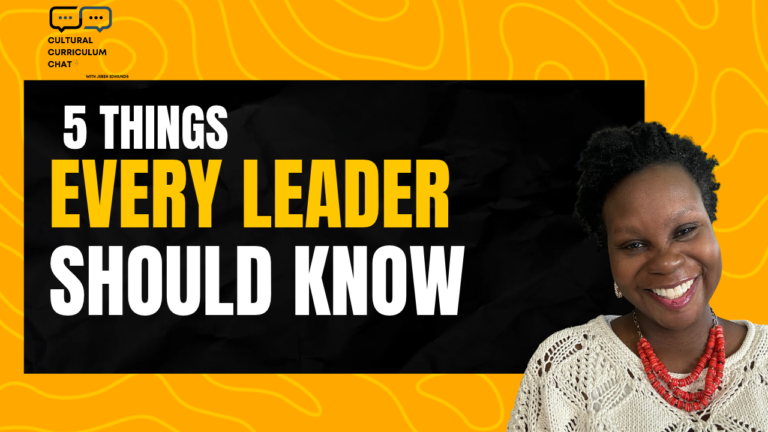
Here are five things every leader should understand.
1. Cultural competency is a skill
Cultural competency isn’t something you either have or don’t have.
It develops through learning, reflection, listening, and practice.
As our workplaces, classrooms, and communities become increasingly diverse, leaders need the ability to communicate and collaborate across cultural differences.
2. Awareness isn’t the same as competency
You can be aware that different cultures exist without knowing how to respond appropriately to cultural differences.
Awareness asks:
“Do I know that difference exists?”
Competency asks:
“What am I going to do with that knowledge?”
That distinction matters.
3. Don’t assume everyone experiences your organization the same way
A policy or practice that feels completely normal to one person may create barriers for someone else.
Instead of saying, “This is how we’ve always done it,” leaders can ask:
“Who does this work well for, and who might experience it differently?”
That question creates room for meaningful reflection.
4. Cultural competency requires curiosity
You don’t have to know everything about every culture.
You do need to be willing to learn.
Ask questions. Listen. Notice assumptions. Be willing to reconsider what you thought you knew.
Curiosity is an important leadership skill.
5. Cultural competency should lead to action
Ultimately, cultural competency isn’t about collecting information.
It’s about practice.
How do you communicate?
How do you lead meetings?
How do you resolve conflict?
How do you support employees or students?
How do you create belonging?
Those everyday decisions are where cultural competency becomes visible.
Start somewhere
If you’re a leader, educator, or organization wondering where to begin, start with one question:
Whose experience might I not be seeing?
That question can open the door to better listening, stronger relationships, and more culturally responsive practices.
At Jebeh Cultural Consulting, I help educators, leaders, and organizations move from cultural awareness toward practical cultural competency.
Ready to explore what your organization needs? Let’s start a conversation.