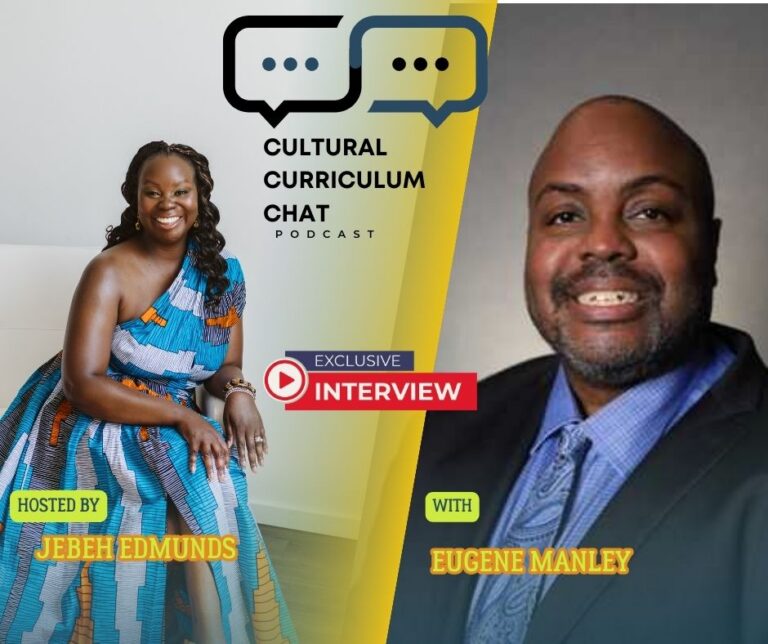
In a recent episode of the Cultural Curriculum Chat Podcast, host Jebeh Edmunds sits down with Eugene Manley for a thoughtful discussion about culture, communication, identity, and who gets heard in our society.
The episode explores how culture shapes the way we communicate, how our upbringing influences the way we see the world, and why understanding cultural differences is essential for educators, leaders, and communities.
🎧 Listen to the full episode:
https://www.buzzsprout.com/1495555/episodes/18708435
How Culture Shapes the Way We Communicate
During the conversation, Eugene Manley explains that culture plays a powerful role in shaping how people communicate and interpret the world around them. From childhood experiences to family traditions and community environments, these influences shape our perspectives and behaviors.
Culture affects how we:
interpret language and tone
communicate ideas and emotions
respond to authority and leadership
understand social expectations
Because culture is deeply embedded in everyday life, people often do not notice its influence until they encounter someone from a different cultural background. These interactions can highlight how cultural norms shape our understanding of communication and behavior.
The Power of Cultural Awareness
One of the key insights from the episode is that cultural awareness helps us understand why people communicate differently.
For example, something as simple as the word used for a soft drink—“soda,” “pop,” or “coke”—can reveal cultural and regional differences. These variations illustrate how language reflects the communities and environments people grow up in.
Understanding these differences is especially important in settings like:
classrooms
workplaces
leadership environments
community conversations
When people recognize that communication styles are influenced by culture rather than personal shortcomings, they can engage in more respectful and productive dialogue.
Who Gets Heard in Society?
Another important theme in the episode is the question of who gets heard—and who gets overlooked.
Communication styles are often judged based on dominant cultural norms. Some ways of speaking may be labeled as “professional,” while others may be unfairly seen as aggressive, emotional, or informal.
These labels can affect how people are perceived in:
educational settings
leadership roles
professional environments
The conversation encourages listeners to think critically about how cultural bias influences which voices are considered credible or authoritative.
Culture, Identity, and Worldview
Eugene Manley also reflects on how culture shapes identity and worldview. Our cultural experiences influence how we see ourselves, how we interpret others, and how we navigate the world.
Culture influences:
personal values
decision-making
communication styles
social relationships
Understanding these cultural dimensions can help educators and leaders create spaces where diverse perspectives are respected and valued.
Why These Conversations Matter
The mission of The Cultural Curriculum Chat Podcast™ is to explore conversations at the intersection of culture, education, leadership, and identity. Through interviews with diverse guests, the podcast encourages listeners to think critically about the cultural dynamics that shape our communities.
This episode with Eugene Manley highlights the importance of cultural awareness in communication and reminds listeners that every voice carries a cultural story.
Listen to the Full Episode
If you’re interested in conversations about culture, identity, leadership, and communication, this episode offers valuable insights.
🎧 Listen here:
https://www.buzzsprout.com/1495555/episodes/18708435